
GLP-1 medications have become much more talked about over the last couple of years, especially for weight loss and type 2 diabetes. While they can feel overhyped online, they can be very helpful for the right patient - improving blood sugar control, reducing appetite, increasing fullness, and aiding in weight loss.
If you’re at the start of your journey, understanding the basics is key. GLP-1 medications vary, so the best fit depends on your goals, health history, preferences, and how you respond to them.
GLP-1s Simplified
GLP-1 medications mimic a natural hormone your body releases after eating, helping to manage both blood sugar and appetite in a more balanced way.
Regulating Blood Sugar
GLP-1s help regulate blood sugar by prompting your body to release insulin when sugar levels rise, limiting how much sugar the liver releases and slowing your digestion. For people with type 2 diabetes, this leads to more stable, manageable blood sugar levels throughout the day. In fact, GLP-1s have been used for diabetes care since 2005, with a strong track record of supporting long-term glucose control.
Reducing Appetite
These medications also help regulate hunger by slowing how quickly food leaves the stomach and sending signals to the brain that you’re full. Because of this, many patients experience less “food noise,” helping them stick to healthier habits and supporting sustainable weight loss.
GLP-1 Agonists: What’s the Difference?
Not all GLP-1 medications are exactly the same. Some work on one hormone pathway, while others work on two.
Semaglutide
Semaglutide is a single-receptor GLP-1 agonist, meaning it mimics only one of the key hormones your body naturally releases after you eat. This helps keep blood sugar steady while also making you feel full sooner and for longer, leading to reduced appetite and gradual weight loss over time. Semaglutide medications include Ozempic, often used for type 2 diabetes, and Wegovy, used for weight loss.
Tirzepatide
Tirzepatide is a dual agonist that targets both GLP-1 and GIP receptors - hormone pathways involved in blood sugar and appetite regulation. Like semaglutide, it increases insulin, reduces sugar output, and slows digestion, while activating GIP further improves insulin response and nutrient processing. This synergy enhances fullness, reduces hunger, and supports better overall metabolic health. You might recognize tirzepatides like Mounjaro for type 2 diabetes and Zepbound for weight loss
Key Differences
Both medications support weight loss and blood sugar control, but their differences can affect your results.
Here’s a simple comparison breakdown:
History: Patients have been using semaglutide for type 2 diabetes for years, meaning it’s backed by longer-term research.
Effectiveness: Tirzepatide acts on two hormones instead of one, which is why it often leads to greater weight loss and better blood sugar control. In clinical trials, people taking semaglutide lost about 10–15% of their body weight over a year, while those on tirzepatide had 15–20% weight loss.
Side Effects: Tirzepatide may feel easier for some people, but experiences vary.
Accessibility: Semaglutide is often more affordable and easier to access.
Going beyond the categories of medication, it’s also important to consider how you’d like to be taking your medication.
GLP-1 Delivery Methods
As these medications have become more popular, delivery options have expanded.
Injectables
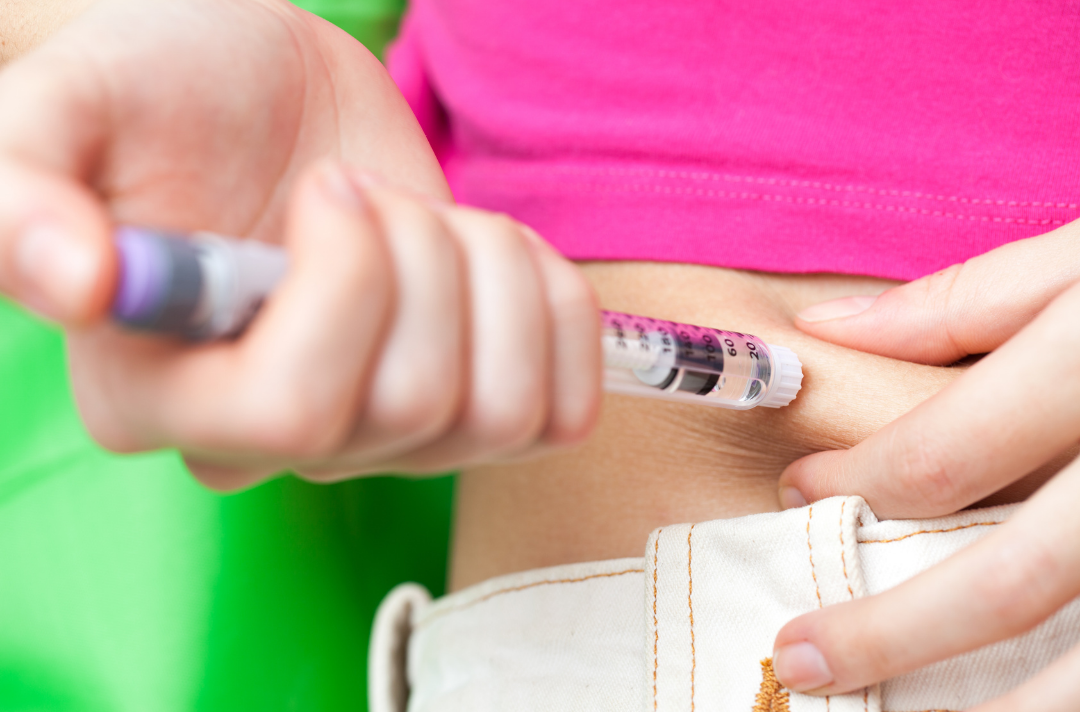
Weekly injections are still the most common, and typically the most effective, GLP-1 option for weight loss. This includes medications like Wegovy, Ozempic, Zepbound, and Mounjaro. There are also newer device options, like the Zepbound KwikPen through LillyDirect, which offer a different way to administer the same medication.
Oral Pills
Pills are now part of the GLP-1 conversation, offering a non-injection option. There’s an oral version of Wegovy, along with newer daily medications like Foundayo. The biggest difference here is convenience: some pills can be taken more flexibly, while others require more specific timing. GLP-1 pills are found to be generally effective and more approachable than weekly shots, but they don’t see as much weight loss as injectables.
Patches
Currently, there is no FDA-approved GLP-1 patch. Any patches you see sold online are not the same as prescription medications and may not be safe or effective.
Newer Medications on the Horizon
One of the newest drugs getting attention is Retatrutide, a GLP-1still in clinical trials that is not yet approved. This alleged “triple agonist” works on three hormone pathways: GLP-1, GIP, and glucagon. Early trial results have been very promising, which is why it is getting so much attention right now.
As new options continue to hit the market, it’s important to pay attention to whether they’re approved by the U.S. Food and Drug Administration. When available, FDA-approved GLP-1s should be your first choice over alternatives like compounded versions.
A compounded GLP-1 is a custom-prepared version made by a pharmacy rather than the original manufacturer, and it isn’t reviewed by the FDA in the same way. Because of this, there can be more variation in quality, dosing, and purity. Some compounded options may also include added ingredients - like vitamin B12 - that aren’t always necessary or helpful for everyone.
When you have the option, choosing an FDA-approved medication is typically the most reliable and consistent choice.
The Right Choice for You
Starting a GLP-1 is a personal decision, and the “right” choice can look different for everyone. Whether your goal is better blood sugar control, weight loss, fewer cravings, or a medication that fits your lifestyle more easily, there is no one-size-fits-all answer.
A good fit usually comes down to a few key factors:
Your Goals: Are you looking to lower blood sugar control, lose weight, or both?
Expected Results: What are you looking to reduce your blood sugar levels by? How much weight are you hoping to lose?
Cost and Coverage: What’s realistic long-term for your insurance and wallet?
Your Lifestyle: Are you up for weekly injections, or do you need a daily pill?
If you’re considering a GLP-1, you don’t have to figure it out on your own. An appointment with our very own Dr. Julia Gold at Encore Concierge Medicine gives you the space to talk through your goals, concerns, and what adding GLP-1 could look like in your day-to-day life. Together, we can find an option that feels realistic, sustainable, and right for you - not just in theory, but in practice.