
Summer Full of Night Sweats? Here’s What Can Help
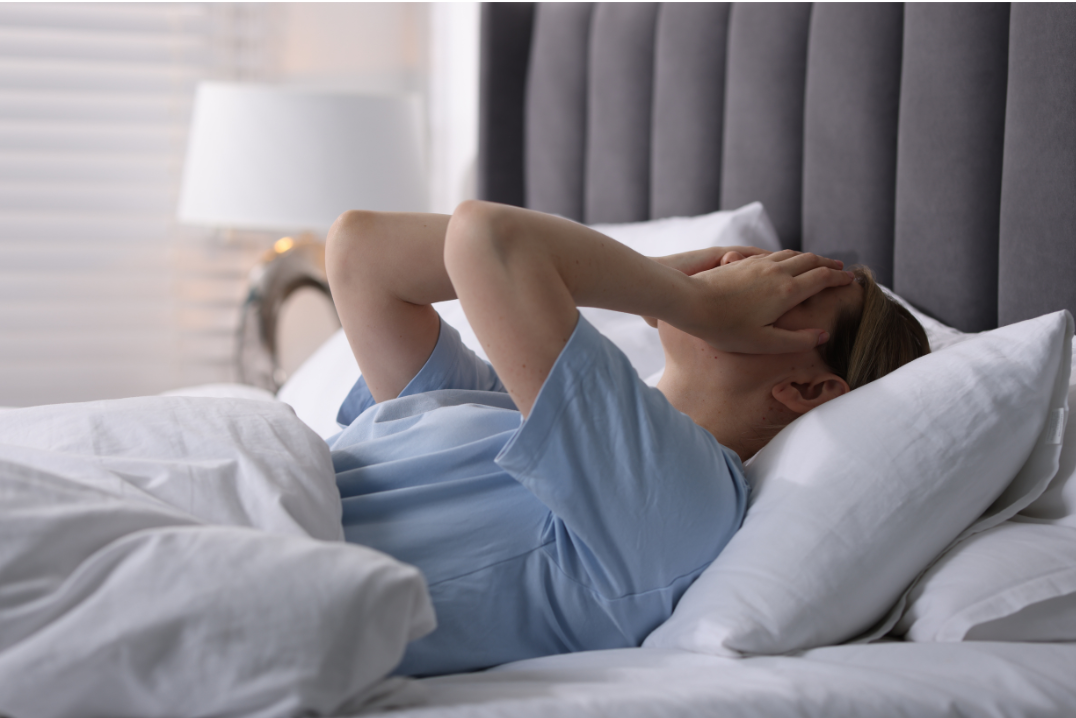
Summer evenings invite open windows, backyard gatherings, and longer days. Yet for many women in perimenopause and menopause, warmer weather can make nighttime hot flashes and night sweats feel even more intense.
If you find yourself waking up drenched in sweat or tossing off the covers multiple times a night, you’re certainly not alone. Hormonal changes during menopause can affect your body’s internal thermostat, making it more sensitive to even small temperature changes.
Let’s dig into tactics that some women may find helpful to keep them cool and more comfortable. Keep in mind, these may not work for everyone and aren’t considered proven medical treatments. Menopausal hormone therapy is recognized as the most effective treatment for bothersome vasomotor symptoms when it is appropriate for the individual patient.
Explore our approach to personalized menopause care!
Why Night Sweats Feel Worse in the Summer
During the menopause transition, changing estrogen levels affect the temperature-regulating centers in the brain. This can make the body more likely to respond to small temperature changes with flushing, sweating, or chills.
When outdoor temperatures and indoor humidity climb during the summer months, your body has to work even harder to stay cool. This can make nighttime symptoms feel more uncomfortable and make it harder to cool down or return to sleep afterward.
Keep Your Bedroom as Cool as Possible
Your sleep environment plays a significant role in your overall comfort during the night. Although cooling your bedroom hasn't been shown to reduce menopausal hot flashes themselves, many women find that a cooler sleeping environment helps them feel more comfortable during an episode and makes it easier to fall back asleep afterward.
Try to:
Keep your bedroom comfortably cool, often around 65°F to 68°F, while adjusting to what feels best for you.
Use a ceiling fan or bedside fan to improve airflow throughout the room.
Keep curtains or blackout shades closed during the day to prevent sunlight from warming your bedroom.
If your room tends to stay warm, consider cooling pillows, mattress pads, or gel inserts that some women find more comfortable during warm nights.
Keep an extra lightweight blanket nearby instead of one heavy comforter so you can easily adjust your bedding throughout the night.
Even lowering the temperature by a few degrees may improve comfort. If air conditioning isn't available, opening windows during cooler evening hours or using a fan to circulate fresh air may also help create a more comfortable sleeping environment.
Choose Breathable Sleepwear and Bedding
What you wear to bed and what you sleep under can have a surprisingly large impact on your comfort throughout the night. Heavy or poorly ventilated sleepwear and bedding can make overheating feel more uncomfortable during a hot flash or night sweat.
Instead, look for:
Lightweight or moisture-wicking pajamas
Breathable sheets
Layered bedding that can be easily removed if you become too warm
The best material varies from person to person. Some women prefer cotton or linen, while others find quick-drying, moisture-wicking fabrics more comfortable during nighttime sweating episodes. If you frequently wake up overheated, it may also help to keep an extra set of pajamas or a fresh pillowcase nearby so you can quickly change into something dry without fully disrupting your sleep. Small changes like these may make it easier to get comfortable and fall back asleep.
Watch What You Eat and Drink Before Bed
Some women notice that certain foods or beverages seem to coincide with hot flashes or night sweats. However, research has not shown that avoiding specific foods or drinks consistently reduces menopausal symptoms. Keeping track of your own patterns may help you identify what feels best for you.
If you've noticed your symptoms tend to flare after dinner, try limiting these within a few hours of going to sleep:
Alcohol
Large or heavy meals
Spicy foods
Excess caffeine late in the day
Instead, opt for a lighter evening meal and give your body time to digest before lying down. Since everyone's experience is different, it can be helpful to keep a simple journal of what you eat and drink, along with when your night sweats occur. After a few weeks, you may begin to notice patterns that can help you make small adjustments based on your own experience without unnecessarily cutting out foods you enjoy.
Keep Hydrated Throughout the Day
Sweating overnight can contribute to dehydration, especially during the summer.
Staying hydrated is important for your overall health, particularly during the warmer months when nighttime sweating may contribute to fluid loss. Drinking enough water helps replace fluids lost through sweating and supports your overall health during the warmer months
If you spend time outdoors or exercise in the heat, be especially mindful of replacing lost fluids and electrolytes.
Cool Down Before You Go to Sleep
Some women find that lowering their body temperature before bedtime feels more comfortable, even though cooling techniques have not been shown to reduce menopausal hot flashes themselves.
Consider adding one or more of these habits to your evening routine:
Take a lukewarm (not ice-cold) shower before bed.
Sit in front of a fan while reading or winding down.
Avoid vigorous exercise immediately before bedtime.
Keep a cool washcloth or cooling towel nearby if you wake during the night.
A soothing bedtime routine also helps prepare your body for more restful sleep.
Don't Forget About Sleep Habits
While temperature is important, good sleep habits can help support better overall sleep, even if they don't prevent hot flashes or night sweats.
Go to bed and wake up at consistent times.
Limit screen time before bed.
Keep your bedroom dark and quiet.
Practice relaxation techniques, such as deep breathing or gentle stretching, if stress is keeping you awake.
When Should You Talk to Your Doctor?
Although menopause is a common cause of night sweats, it is important not to assume that every episode is related to hormones or warm weather. Night sweats can also be associated with certain medications, thyroid conditions, infections, sleep apnea, alcohol use, and other medical issues.
Schedule an appointment with your doctor if your night sweats are:
Drenching your clothing or bedding regularly
New, persistent, or becoming more severe
Occurring without a clear explanation
Interfering with your sleep or quality of life
You should also seek medical evaluation if night sweats occur with symptoms such as fever, unexplained weight loss, a persistent cough, swollen lymph nodes, or other new or unexplained symptoms.
Seek urgent medical attention for significant chest pain, difficulty breathing, fainting, or a sustained rapid or irregular heartbeat.
You Don't Have to Sweat Through Another Summer
Night sweats can be frustrating, especially when warm weather makes them feel even more difficult to manage. But while simple changes to your sleep environment, bedtime routine, and daily habits may help some women stay cooler and more comfortable during episodes, menopausal hormone therapy remains the most effective treatment for these frustrating symptoms.
If night sweats are disrupting your sleep or affecting your quality of life, you do not have to simply tolerate them. At Encore Concierge Medicine, Dr. Julia Gold provides personalized care for women navigating perimenopause and menopause, including individualized discussions about hormonal and nonhormonal treatment options.